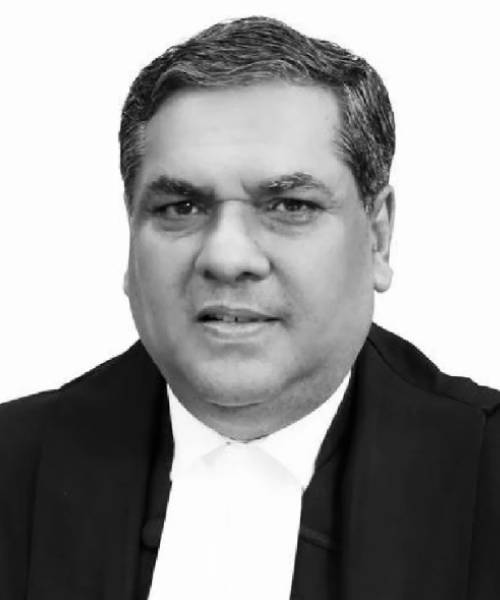
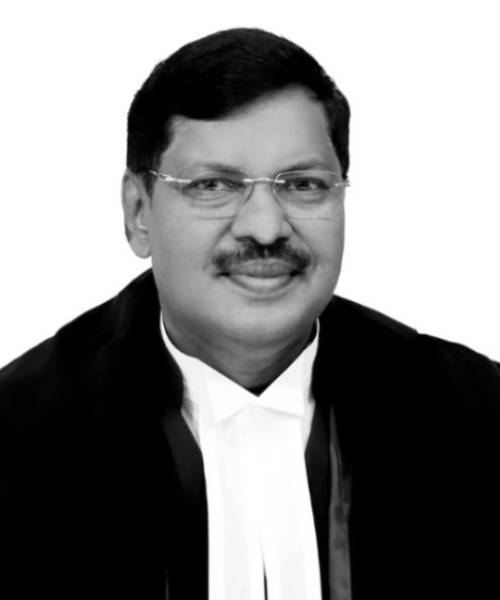
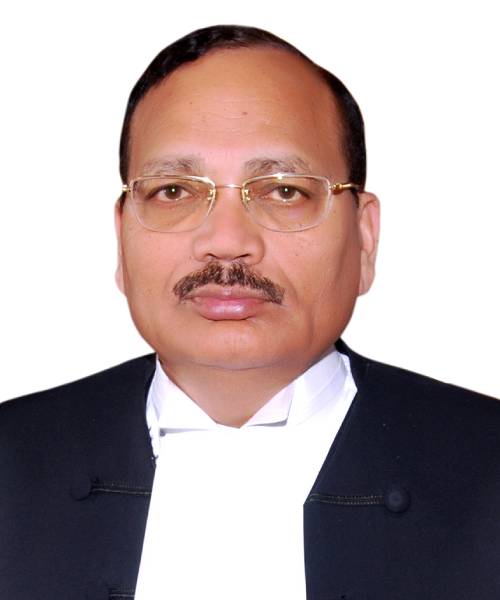
1. Sir Harilal Jekisundas Kania
From: Gujarat
He had the historic distinction of serving as the first Chief Justice of independent India. His tenure was tragically cut short when he died of a sudden heart attack while in office.
| Term Period |
January 26th, 1950 — November 6th, 1951 |
Term Length |
1 year, 284 days |
| Parent High Court |
Bombay |
Alma Mater |
Government Law College, Mumbai |
| President |
Rajendra Prasad |
Prime Minister |
Jawaharlal Nehru |
| Key Judgments |
A.K. Gopalan v. State of Madras |
|
2. Mandakolathur Patanjali Sastri
From: Tamil Nadu
He assumed the highest judicial office following the sudden demise of his predecessor. His early judgments laid the critical groundwork for the interpretation of fundamental rights in the newly formed republic.
| Term Period |
November 7th, 1951 — January 3rd, 1954 |
Term Length |
2 years, 57 days |
| Parent High Court |
Madras |
Alma Mater |
Madras Law College |
| President |
Rajendra Prasad |
Prime Minister |
Jawaharlal Nehru |
| Key Judgments |
State of Madras v. V.G. Row |
|
3. Mehr Chand Mahajan
From: Punjab
Before his elevation to the Supreme Court, he played a pivotal role as the Prime Minister of Jammu and Kashmir during its accession to India. He was known for his sharp administrative acumen and brief but impactful tenure at the apex court.
| Term Period |
January 4th, 1954 — December 22nd, 1954 |
Term Length |
352 days |
| Parent High Court |
Lahore |
Alma Mater |
University of the Punjab |
| President |
Rajendra Prasad |
Prime Minister |
Jawaharlal Nehru |
| Key Judgments |
Early constitutional property disputes |
|
4. Bijan Kumar Mukherjea
From: West Bengal
He was deeply respected for his profound knowledge of Hindu law and religious endowments. He voluntarily resigned from his post shortly before his death due to failing health.
| Term Period |
December 23rd, 1954 — January 31st, 1956 |
Term Length |
1 year, 39 days |
| Parent High Court |
Calcutta |
Alma Mater |
University of Calcutta |
| President |
Rajendra Prasad |
Prime Minister |
Jawaharlal Nehru |
| Key Judgments |
Shirur Mutt Case |
|
5. Sudhi Ranjan Das
From: West Bengal
He presided over the Supreme Court during a formative era of Indian jurisprudence. His judgments were noted for their literary elegance and strict adherence to constitutional boundaries.
| Term Period |
February 1st, 1956 — September 30th, 1959 |
Term Length |
3 years, 241 days |
| Parent High Court |
Calcutta |
Alma Mater |
University College London |
| President |
Rajendra Prasad |
Prime Minister |
Jawaharlal Nehru |
| Key Judgments |
Kerala Education Bill Case |
|
6. Bhuvaneshwar Prasad Sinha
From: Bihar
He rose from modest beginnings in a small agricultural family to the highest judicial seat in the country. During his term, he delivered several landmark rulings concerning self-incrimination and criminal law.
| Term Period |
October 1st, 1959 — January 31st, 1964 |
Term Length |
4 years, 122 days |
| Parent High Court |
Patna |
Alma Mater |
Patna Law College |
| President |
Rajendra Prasad |
Prime Minister |
Jawaharlal Nehru |
| Key Judgments |
State of Bombay v. Kathi Kalu Oghad |
|
7. Pralhad Balacharya Gajendragadkar
From: Maharashtra
He was a champion of social justice and extensively shaped India's labor and industrial laws. After his retirement, he contributed significantly to academia as the Chancellor of Mumbai University.
| Term Period |
February 1st, 1964 — March 15th, 1966 |
Term Length |
2 years, 42 days |
| Parent High Court |
Bombay |
Alma Mater |
Deccan College, Pune |
| President |
Sarvepalli Radhakrishnan |
Prime Minister |
Jawaharlal Nehru, Lal Bahadur Shastri |
| Key Judgments |
Sajjan Singh v. State of Rajasthan |
|
8. Amal Kumar Sarkar
From: West Bengal
His tenure as Chief Justice was brief, lasting just over three months before his mandated retirement. He was well regarded for his concise and highly analytical legal opinions.
| Term Period |
March 16th, 1966 — June 29th, 1966 |
Term Length |
105 days |
| Parent High Court |
Calcutta |
Alma Mater |
Scottish Church College |
| President |
Sarvepalli Radhakrishnan |
Prime Minister |
Indira Gandhi |
| Key Judgments |
Golaknath preliminary hearings |
|
9. Koka Subba Rao
From: Andhra Pradesh
He fiercely defended fundamental rights and famously ruled that Parliament could not amend the Constitution to abridge them. He unexpectedly resigned from the bench to contest the Indian presidential election in 1967.
| Term Period |
June 30th, 1966 — April 11th, 1967 |
Term Length |
285 days |
| Parent High Court |
Hyderabad |
Alma Mater |
Madras Law College |
| President |
Sarvepalli Radhakrishnan |
Prime Minister |
Indira Gandhi |
| Key Judgments |
Golaknath v. State of Punjab |
|
10. Kailas Nath Wanchoo
From: Madhya Pradesh
He had a long and distinguished career as a civil servant in the ICS before transitioning completely to the judiciary. He often advocated for a balanced approach between state power and individual liberties.
| Term Period |
April 12th, 1967 — February 24th, 1968 |
Term Length |
318 days |
| Parent High Court |
Allahabad |
Alma Mater |
Muir Central College, Allahabad |
| President |
Sarvepalli Radhakrishnan |
Prime Minister |
Indira Gandhi |
| Key Judgments |
I.C. Golaknath cases (Dissenting) |
|
11. Mohammad Hidayatullah
From: Maharashtra
He holds the unique distinction of having served as Chief Justice, Vice President, and acting President of India. His judgments were celebrated for their exceptional scholarly depth and linguistic brilliance.
| Term Period |
February 25th, 1968 — December 16th, 1970 |
Term Length |
2 years, 294 days |
| Parent High Court |
Bombay |
Alma Mater |
Trinity College, Cambridge |
| President |
Zakir Husain Khan |
Prime Minister |
Indira Gandhi |
| Key Judgments |
Madhav Rao Scindia (Privy Purses) |
|
12. Jayantilal Chhotalal Shah
From: Gujarat
His tenure as Chief Justice was extremely short, lasting barely over a month. He later gained immense historical prominence for heading the Shah Commission that investigated excesses committed during the Emergency.
| Term Period |
December 17th, 1970 — January 21st, 1971 |
Term Length |
35 days |
| Parent High Court |
Bombay |
Alma Mater |
Elphinstone College |
| President |
Varahagiri Venkata Giri |
Prime Minister |
Indira Gandhi |
| Key Judgments |
R.C. Cooper v. Union of India (Bank Nationalization) |
|
13. Sarv Mittra Sikri
From: Punjab
He was the very first Chief Justice to be elevated directly from the Bar Council rather than from a High Court. He famously presided over the monumental Kesavananda Bharati case, which established the Basic Structure Doctrine.
| Term Period |
January 22nd, 1971 — April 25th, 1973 |
Term Length |
2 years, 93 days |
| Parent High Court |
Bar Council |
Alma Mater |
Trinity College, Cambridge |
| President |
Varahagiri Venkata Giri |
Prime Minister |
Indira Gandhi |
| Key Judgments |
Kesavananda Bharati v. State of Kerala |
|
14. Ajit Nath Ray
From: West Bengal
His appointment was highly controversial as it superseded three senior judges during the Indira Gandhi regime. He presided over the court during the Emergency era, delivering several rulings favorable to the central government.
| Term Period |
April 26th, 1973 — January 27th, 1977 |
Term Length |
3 years, 276 days |
| Parent High Court |
Calcutta |
Alma Mater |
Oriel College, Oxford |
| President |
Varahagiri Venkata Giri |
Prime Minister |
Indira Gandhi |
| Key Judgments |
ADM Jabalpur v. Shivkant Shukla |
|
15. Mirza Hameedullah Beg
From: Uttar Pradesh
His elevation to the top post also involved superseding a senior judge, continuing a controversial trend of the 1970s. He was a deeply philosophical jurist whose writings often invoked broader historical and moral contexts.
| Term Period |
January 28th, 1977 — February 21st, 1978 |
Term Length |
1 year, 24 days |
| Parent High Court |
Allahabad |
Alma Mater |
Trinity College, Cambridge |
| President |
Fakhruddin Ali Ahmed |
Prime Minister |
Indira Gandhi, Morarji Desai |
| Key Judgments |
Maneka Gandhi preliminary hearings |
|
16. Yeshwant Vishnu Chandrachud
From: Maharashtra
He holds the historic record for the longest-serving Chief Justice of India, commanding the bench for over seven years. His era saw the stabilization of the court after the Emergency and the delivery of several landmark civil rights judgments.
| Term Period |
February 22nd, 1978 — July 11th, 1985 |
Term Length |
7 years, 139 days |
| Parent High Court |
Bombay |
Alma Mater |
Government Law College, Mumbai |
| President |
Neelam Sanjiva Reddy |
Prime Minister |
Morarji Desai, Indira Gandhi |
| Key Judgments |
Minerva Mills, Shah Bano Case |
|
17. Prafullachandra Natwarlal Bhagwati
From: Gujarat
He is widely celebrated as the pioneer of Public Interest Litigation (PIL) in the Indian legal system. His visionary approach allowed ordinary citizens to approach the Supreme Court simply by writing a letter.
| Term Period |
July 12th, 1985 — December 20th, 1986 |
Term Length |
1 year, 161 days |
| Parent High Court |
Gujarat |
Alma Mater |
Government Law College, Mumbai |
| President |
Giani Zail Singh |
Prime Minister |
Rajiv Gandhi |
| Key Judgments |
M.C. Mehta, Bandhua Mukti Morcha |
|
18. Raghunandan Swarup Pathak
From: Uttar Pradesh
He facilitated the highly debated initial settlement of the catastrophic Bhopal Gas Tragedy. Following his retirement from the Indian judiciary, he was elected to serve as a judge at the International Court of Justice in The Hague.
| Term Period |
December 21st, 1986 — June 18th, 1989 |
Term Length |
2 years, 179 days |
| Parent High Court |
Allahabad |
Alma Mater |
Allahabad University |
| President |
Giani Zail Singh |
Prime Minister |
Rajiv Gandhi |
| Key Judgments |
Bhopal Gas Tragedy Settlement |
|
19. Engalaguppe Seetharamiah Venkataramiah
From: Karnataka
He was a firm advocate for the independence of the judiciary and judicial accountability. He made headlines shortly before his retirement by publicly criticizing the declining ethical standards within the legal profession.
| Term Period |
June 19th, 1989 — December 17th, 1989 |
Term Length |
181 days |
| Parent High Court |
Karnataka |
Alma Mater |
Government Law College, Bangalore |
| President |
Ramaswamy Venkataraman |
Prime Minister |
Rajiv Gandhi |
| Key Judgments |
Judges Transfer Cases |
|
20. Sabyasachi Mukharji
From: West Bengal
He confronted significant institutional challenges, including allegations of corruption against sitting judges. He died of a sudden heart attack in London while still actively serving as the Chief Justice.
| Term Period |
December 18th, 1989 — September 25th, 1990 |
Term Length |
281 days |
| Parent High Court |
Calcutta |
Alma Mater |
Presidency College, Calcutta |
| President |
Ramaswamy Venkataraman |
Prime Minister |
V.P. Singh |
| Key Judgments |
Charan Lal Sahu v. Union of India |
|
21. Ranganath Misra
From: Odisha
After his tenure as Chief Justice, he became the first chairman of the National Human Rights Commission of India. He also headed the official commission of inquiry into the 1984 anti-Sikh riots.
| Term Period |
September 26th, 1990 — November 24th, 1991 |
Term Length |
1 year, 59 days |
| Parent High Court |
Orissa |
Alma Mater |
Ravenshaw College |
| President |
Ramaswamy Venkataraman |
Prime Minister |
Chandra Shekhar, P.V. Narasimha Rao |
| Key Judgments |
Indra Sawhney (Early phases) |
|
22. Kamal Narain Singh
From: Uttar Pradesh
He holds the record for the shortest tenure in the history of the Supreme Court, serving for just 17 days. Despite his brief time at the helm, he had a lengthy and impactful career on the bench handling environmental matters.
| Term Period |
November 25th, 1991 — December 12th, 1991 |
Term Length |
17 days |
| Parent High Court |
Allahabad |
Alma Mater |
Allahabad University |
| President |
Ramaswamy Venkataraman |
Prime Minister |
P.V. Narasimha Rao |
| Key Judgments |
Ganga Pollution cases |
|
23. Madhukar Hiralal Kania
From: Maharashtra
He was the nephew of the very first Chief Justice of India, Sir H.J. Kania. He presided over the monumental Mandal Commission judgment which upheld reservations for Other Backward Classes.
| Term Period |
December 13th, 1991 — November 17th, 1992 |
Term Length |
340 days |
| Parent High Court |
Bombay |
Alma Mater |
Government Law College, Mumbai |
| President |
Ramaswamy Venkataraman |
Prime Minister |
P.V. Narasimha Rao |
| Key Judgments |
Indra Sawhney (Mandal Commission) |
|
24. Lalit Mohan Sharma
From: Bihar
He came from a deeply distinguished legal family, being the son of a former Attorney General of India. His brief tenure was heavily consumed by administrative challenges following the demolition of the Babri Masjid.
| Term Period |
November 18th, 1992 — February 11th, 1993 |
Term Length |
85 days |
| Parent High Court |
Patna |
Alma Mater |
Patna Law College |
| President |
Shankar Dayal Sharma |
Prime Minister |
P.V. Narasimha Rao |
| Key Judgments |
K. Veeraswami Case |
|
25. Manepalli Narayana Rao Venkatachaliah
From: Karnataka
He authored the critical Second Judges Case, which established the Supreme Court Collegium system for appointing judges. He later chaired the National Commission to Review the Working of the Constitution.
| Term Period |
February 12th, 1993 — October 24th, 1994 |
Term Length |
1 year, 254 days |
| Parent High Court |
Karnataka |
Alma Mater |
University of Mysore |
| President |
Shankar Dayal Sharma |
Prime Minister |
P.V. Narasimha Rao |
| Key Judgments |
Second Judges Case |
|
26. Aziz Mushabber Ahmadi
From: Gujarat
He began his career as an ordinary civil judge and climbed the ranks to become the third Muslim Chief Justice of India. His tenure was marked by a strong defense of secularism and federalism in the Constitution.
| Term Period |
October 25th, 1994 — March 24th, 1997 |
Term Length |
2 years, 150 days |
| Parent High Court |
Gujarat |
Alma Mater |
Gujarat University |
| President |
Shankar Dayal Sharma |
Prime Minister |
H.D. Deve Gowda |
| Key Judgments |
S.R. Bommai v. Union of India |
|
27. Jagdish Sharan Verma
From: Madhya Pradesh
He is celebrated for authoring the Vishaka Guidelines, which established the first legal framework against workplace sexual harassment in India. His fierce commitment to judicial accountability redefined the modern Indian legal landscape.
| Term Period |
March 25th, 1997 — January 17th, 1998 |
Term Length |
298 days |
| Parent High Court |
Madhya Pradesh |
Alma Mater |
Allahabad University |
| President |
Shankar Dayal Sharma |
Prime Minister |
I.K. Gujral |
| Key Judgments |
Vishaka Guidelines |
|
28. Madan Mohan Punchhi
From: Punjab
He served during a period of transition and helped refine the Collegium system through the Third Judges Case. After retirement, he headed the Punchhi Commission to evaluate Centre-State relations.
| Term Period |
January 18th, 1998 — October 9th, 1998 |
Term Length |
264 days |
| Parent High Court |
Punjab and Haryana |
Alma Mater |
Faculty of Law, Delhi University |
| President |
Kocheril Raman Narayanan |
Prime Minister |
Atal Bihari Vajpayee |
| Key Judgments |
Third Judges Case |
|
29. Adarsh Sein Anand
From: Jammu and Kashmir
He was a staunch advocate for human rights and laid down strict guidelines for police conduct during arrests. He also spearheaded massive initiatives to clear backlogs in the district courts through Lok Adalats.
| Term Period |
October 10th, 1998 — January 11th, 2001 |
Term Length |
2 years, 93 days |
| Parent High Court |
Jammu and Kashmir |
Alma Mater |
University College London |
| President |
Kocheril Raman Narayanan |
Prime Minister |
Atal Bihari Vajpayee |
| Key Judgments |
D.K. Basu (Arrest Guidelines) |
|
30. Sam Piroj Bharucha
From: Maharashtra
He was widely known for his absolute integrity and famously remarked that a small percentage of the judiciary was corrupt. He maintained an extremely low public profile and preferred his judgments to speak for themselves.
| Term Period |
January 11th, 2001 — May 6th, 2002 |
Term Length |
1 year, 115 days |
| Parent High Court |
Bombay |
Alma Mater |
Government Law College, Mumbai |
| President |
Kocheril Raman Narayanan |
Prime Minister |
Atal Bihari Vajpayee |
| Key Judgments |
Narmada Bachao Andolan cases |
|
31. Bhupinder Nath Kirpal
From: Delhi
He delivered the landmark TMA Pai judgment which redefined the autonomy of minority educational institutions. He was also instrumental in promoting the use of information technology within the Supreme Court registry.
| Term Period |
May 6th, 2002 — November 8th, 2002 |
Term Length |
186 days |
| Parent High Court |
Delhi |
Alma Mater |
St. Stephen's College, Delhi |
| President |
Kocheril Raman Narayanan |
Prime Minister |
Atal Bihari Vajpayee |
| Key Judgments |
TMA Pai Foundation Case |
|
32. Gopal Ballav Pattanaik
From: Odisha
He was the first Odia to reach the office of the Chief Justice of India. His extremely short tenure of barely six weeks focused primarily on administrative clearances rather than constitutional benches.
| Term Period |
November 8th, 2002 — December 19th, 2002 |
Term Length |
41 days |
| Parent High Court |
Orissa |
Alma Mater |
Madhusudan Law College |
| President |
Avul Pakir Jainulabdeen Abdul Kalam |
Prime Minister |
Atal Bihari Vajpayee |
| Key Judgments |
Various criminal appeal precedents |
|
33. Vishweshwar Nath Khare
From: Uttar Pradesh
He actively intervened in the aftermath of the 2002 Gujarat riots to ensure fair trials, famously moving the Best Bakery case out of the state. He fiercely defended the independence of the judiciary from political interference.
| Term Period |
December 19th, 2002 — May 2nd, 2004 |
Term Length |
1 year, 135 days |
| Parent High Court |
Allahabad |
Alma Mater |
Allahabad University |
| President |
Avul Pakir Jainulabdeen Abdul Kalam |
Prime Minister |
Atal Bihari Vajpayee |
| Key Judgments |
Best Bakery Case (Gujarat Riots) |
|
34. S. Rajendra Babu
From: Karnataka
His tenure was one of the shortest on record, lasting less than a month during the summer vacation of the court. He later served as the Chairperson of the National Human Rights Commission.
| Term Period |
May 2nd, 2004 — June 1st, 2004 |
Term Length |
30 days |
| Parent High Court |
Karnataka |
Alma Mater |
Raja Lakhamgouda Law College |
| President |
Avul Pakir Jainulabdeen Abdul Kalam |
Prime Minister |
Manmohan Singh |
| Key Judgments |
Disinvestment of HPCL/BPCL |
|
35. Ramesh Chandra Lahoti
From: Madhya Pradesh
He firmly believed that the courts should exercise restraint and not interfere excessively in legislative domains. He controversially struck down the IMDT Act, deeply impacting the politics of immigration in Assam.
| Term Period |
June 1st, 2004 — November 1st, 2005 |
Term Length |
1 year, 153 days |
| Parent High Court |
Madhya Pradesh |
Alma Mater |
Holkar College, Indore |
| President |
Avul Pakir Jainulabdeen Abdul Kalam |
Prime Minister |
Manmohan Singh |
| Key Judgments |
Illegal Migrants (Determination by Tribunals) Act abolition |
|
36. Yogesh Kumar Sabharwal
From: Delhi
He oversaw the massive and controversial commercial sealing drive in Delhi to enforce zoning laws. His post-retirement legacy was marred by public debates regarding conflict of interest during those specific rulings.
| Term Period |
November 1st, 2005 — January 13th, 2007 |
Term Length |
1 year, 73 days |
| Parent High Court |
Delhi |
Alma Mater |
Faculty of Law, Delhi University |
| President |
Avul Pakir Jainulabdeen Abdul Kalam |
Prime Minister |
Manmohan Singh |
| Key Judgments |
Delhi Sealing Drive cases |
|
37. Konakuppakatil Gopinathan Balakrishnan
From: Kerala
He made history as the very first Dalit Chief Justice of India. He mandated the introduction of mid-day meals in schools and supported the expansion of right-to-food initiatives.
| Term Period |
January 13th, 2007 — May 11th, 2010 |
Term Length |
3 years, 118 days |
| Parent High Court |
Kerala |
Alma Mater |
Government Law College, Ernakulam |
| President |
Avul Pakir Jainulabdeen Abdul Kalam |
Prime Minister |
Manmohan Singh |
| Key Judgments |
OBC Reservations in Higher Education |
|
38. Sarosh Homi Kapadia
From: Maharashtra
He was a rigorous disciplinarian known for his impeccable integrity and deep expertise in tax and corporate law. He presided over the cancellation of 122 telecom licenses during the massive 2G spectrum scandal.
| Term Period |
May 12th, 2010 — September 28th, 2012 |
Term Length |
2 years, 139 days |
| Parent High Court |
Bombay |
Alma Mater |
Government Law College, Mumbai |
| President |
Pratibha Patil |
Prime Minister |
Manmohan Singh |
| Key Judgments |
Vodafone Tax Dispute, 2G Spectrum Scam |
|
39. Altamas Kabir
From: West Bengal
He was widely respected as a compassionate judge who focused heavily on human rights and juvenile justice. His final days in office were clouded by a leaked and highly controversial judgment regarding medical entrance exams.
| Term Period |
September 29th, 2012 — July 18th, 2013 |
Term Length |
292 days |
| Parent High Court |
Calcutta |
Alma Mater |
University of Calcutta |
| President |
Pranab Mukherjee |
Prime Minister |
Manmohan Singh |
| Key Judgments |
NEET implementation delays |
|
40. Palanisamy Sathasivam
From: Tamil Nadu
He fundamentally changed Indian elections by mandating the inclusion of the NOTA button on electronic voting machines. After retiring, he broke convention by accepting an appointment as the Governor of Kerala.
| Term Period |
July 19th, 2013 — April 26th, 2014 |
Term Length |
281 days |
| Parent High Court |
Madras |
Alma Mater |
Madras Law College |
| President |
Pranab Mukherjee |
Prime Minister |
Manmohan Singh |
| Key Judgments |
NOTA (None of the Above) inclusion |
|
41. Rajendra Mal Lodha
From: Rajasthan
He famously described the Central Bureau of Investigation as a "caged parrot" speaking in its master's voice. He struck down massive corporate coal block allocations to root out political corruption.
| Term Period |
April 27th, 2014 — September 27th, 2014 |
Term Length |
153 days |
| Parent High Court |
Rajasthan |
Alma Mater |
Jodhpur University |
| President |
Pranab Mukherjee |
Prime Minister |
Narendra Modi |
| Key Judgments |
Coal Block Allocations cancellation |
|
42. Handyala Lakshminarayanaswamy Dattu
From: Karnataka
He presided over the historic bench that struck down the government's attempt to replace the Collegium with the National Judicial Appointments Commission. He subsequently led the National Human Rights Commission after his retirement.
| Term Period |
September 28th, 2014 — December 2nd, 2015 |
Term Length |
1 year, 65 days |
| Parent High Court |
Karnataka |
Alma Mater |
B.M.S. College of Law |
| President |
Pranab Mukherjee |
Prime Minister |
Narendra Modi |
| Key Judgments |
Striking down the NJAC Act |
|
43. Tirath Singh Thakur
From: Jammu and Kashmir
He openly wept at a conference while pleading with the Prime Minister to appoint more judges to clear judicial backlogs. He led sweeping reforms to clean up the administration of cricket in India.
| Term Period |
December 3rd, 2015 — January 3rd, 2017 |
Term Length |
1 year, 31 days |
| Parent High Court |
Jammu and Kashmir |
Alma Mater |
University of Jammu |
| President |
Pranab Mukherjee |
Prime Minister |
Narendra Modi |
| Key Judgments |
BCCI Restructuring |
|
44. Jagdish Singh Khehar
From: Punjab
He was the first Chief Justice from the Sikh community to lead the Indian judiciary. He authored the landmark judgment that declared the practice of instant Triple Talaq unconstitutional.
| Term Period |
January 4th, 2017 — August 27th, 2017 |
Term Length |
235 days |
| Parent High Court |
Punjab and Haryana |
Alma Mater |
Panjab University |
| President |
Pranab Mukherjee |
Prime Minister |
Narendra Modi |
| Key Judgments |
Triple Talaq, Right to Privacy |
|
45. Dipak Misra
From: Odisha
His tumultuous tenure witnessed a historic, unprecedented press conference by four senior judges protesting his administrative decisions. Despite the controversies, he delivered monumental judgments expanding LGBTQ+ rights and gender equality.
| Term Period |
August 28th, 2017 — October 2nd, 2018 |
Term Length |
1 year, 35 days |
| Parent High Court |
Orissa |
Alma Mater |
Madhusudan Law College |
| President |
Ram Nath Kovind |
Prime Minister |
Narendra Modi |
| Key Judgments |
Decriminalization of Homosexuality (Sec 377), Sabarimala |
|
46. Ranjan Gogoi
From: Assam
He was the first Chief Justice to hail from the northeast region of India. He presided over the bench that finally resolved the centuries-old Ayodhya Ram Mandir dispute, and later accepted a nomination to the Rajya Sabha.
| Term Period |
October 3rd, 2018 — November 17th, 2019 |
Term Length |
1 year, 45 days |
| Parent High Court |
Gauhati |
Alma Mater |
Faculty of Law, Delhi University |
| President |
Ram Nath Kovind |
Prime Minister |
Narendra Modi |
| Key Judgments |
Ayodhya Land Dispute, Rafale Deal |
|
47. Sharad Arvind Bobde
From: Maharashtra
He guided the Supreme Court through the unprecedented logistical challenges of the global COVID-19 pandemic. His tenure heavily relied on virtual hearings to keep the wheels of justice moving during national lockdowns.
| Term Period |
November 18th, 2019 — April 23rd, 2021 |
Term Length |
1 year, 156 days |
| Parent High Court |
Bombay |
Alma Mater |
Nagpur University |
| President |
Ram Nath Kovind |
Prime Minister |
Narendra Modi |
| Key Judgments |
Internet in Kashmir, COVID-19 suo motu cases |
|
48. Nuthalapati Venkata Ramana
From: Andhra Pradesh
He aggressively pushed the government to clear massive judicial vacancies, resulting in a record number of High Court appointments. He was highly vocal about preserving democratic institutions and safeguarding press freedom.
| Term Period |
April 24th, 2021 — August 26th, 2022 |
Term Length |
1 year, 124 days |
| Parent High Court |
Andhra Pradesh |
Alma Mater |
Acharya Nagarjuna University |
| President |
Ram Nath Kovind |
Prime Minister |
Narendra Modi |
| Key Judgments |
Pegasus Probe, Sedition Law suspension |
|
49. Uday Umesh Lalit
From: Maharashtra
He was only the second Chief Justice in history to be elevated directly from the Bar rather than from a High Court bench. During his ultra-short 73-day tenure, he dramatically streamlined case listings and introduced live streaming for constitutional benches.
| Term Period |
August 27th, 2022 — November 8th, 2022 |
Term Length |
73 days |
| Parent High Court |
Bar Council |
Alma Mater |
Government Law College, Mumbai |
| President |
Droupadi Murmu |
Prime Minister |
Narendra Modi |
| Key Judgments |
EWS Reservation validation |
|
50. Dhananjaya Yeshwant Chandrachud
From: Maharashtra
He is the son of the 16th CJI, making them the first father-son duo to head the Indian judiciary. His digital-first administration modernized court infrastructure, while his benches famously struck down the Electoral Bonds scheme.
| Term Period |
November 9th, 2022 — November 10th, 2024 |
Term Length |
2 years, 1 day |
| Parent High Court |
Bombay |
Alma Mater |
Delhi University, Harvard Law School |
| President |
Droupadi Murmu |
Prime Minister |
Narendra Modi |
| Key Judgments |
Electoral Bonds Strike-down, Same-Sex Marriage recognition hearings |
|
51. Sanjiv Khanna
From: Delhi
He navigated a politically charged era with a reputation for intense, quiet pragmatism and swift case disposal. He previously co-authored the critical judgment that unanimously upheld the abrogation of Article 370.
| Term Period |
November 11th, 2024 — May 13th, 2025 |
Term Length |
183 days |
| Parent High Court |
Delhi |
Alma Mater |
Campus Law Centre, Delhi University |
| President |
Droupadi Murmu |
Prime Minister |
Narendra Modi |
| Key Judgments |
EVM/VVPAT verification, Article 370 Abrogation |
|
52. Bhushan Ramkrishna Gavai
From: Maharashtra
He made history as the second Dalit Chief Justice of India, assuming office 15 years after K.G. Balakrishnan. His tenure focused deeply on administrative discipline and balancing environmental conservation with infrastructure development.
| Term Period |
May 14th, 2025 — November 23rd, 2025 |
Term Length |
193 days |
| Parent High Court |
Bombay |
Alma Mater |
Dr. Ambedkar College of Law |
| President |
Droupadi Murmu |
Prime Minister |
Narendra Modi |
| Key Judgments |
Sub-classification of SC/ST quotas |
|
53. Surya Kant
From: Haryana
He currently serves as the incumbent Chief Justice, bringing decades of experience from the Punjab and Haryana High Court. He is highly regarded for his balanced approach to complex federal disputes and political crises.
| Term Period |
November 24th, 2025 — Incumbent |
Term Length |
189 days (Ongoing) |
| Parent High Court |
Punjab and Haryana |
Alma Mater |
Maharshi Dayanand University |
| President |
Droupadi Murmu |
Prime Minister |
Narendra Modi |
| Key Judgments |
Maharashtra Political Crisis |
|