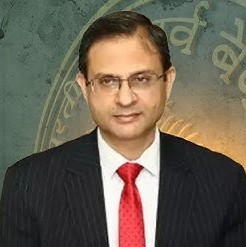
Sanjay Malhotra
Active
| From Date |
: |
December 11th, 2024 |
| To Date |
: |
Incumbent |
| Background |
: |
Indian Administrative Service (IAS) |
| Remarks |
: |
Appointed to the post after a highly successful stint as the Revenue Secretary, bringing deep expertise in public policy and taxation. He currently serves as the incumbent Governor, navigating the evolving macroeconomic challenges of the Indian economy through 2025 and beyond. |
|
Shaktikanta Das
Retired
| From Date |
: |
December 12th, 2018 |
| To Date |
: |
December 11th, 2024 |
| Background |
: |
Indian Administrative Service (IAS) |
| Remarks |
: |
Guided the Indian financial system through the unprecedented shocks of the COVID-19 pandemic using massive liquidity injections and targeted debt moratoriums. He completed a rare six-year extended term, handing over a highly stable and digitized banking sector to his successor. |
|
Urjit Ravindra Patel
Retired
| From Date |
: |
September 4th, 2016 |
| To Date |
: |
December 10th, 2018 |
| Background |
: |
Economist |
| Remarks |
: |
Oversaw the massive logistical operation of the 2016 demonetization of high-value currency notes and institutionalized the Monetary Policy Committee framework. He abruptly resigned from his post citing personal reasons amid reports of friction with the central government. |
|
Raghuram Govind Rajan
Retired
| From Date |
: |
September 4th, 2013 |
| To Date |
: |
September 4th, 2016 |
| Background |
: |
Economist |
| Remarks |
: |
Tamed soaring inflation by formally adopting strict inflation targeting and initiated a comprehensive asset quality review to clean up mounting bad loans. He opted not to seek a second term, returning to his prestigious academic career at the University of Chicago. |
|
Duvvuri Subbarao
Retired
| From Date |
: |
September 5th, 2008 |
| To Date |
: |
September 4th, 2013 |
| Background |
: |
Indian Administrative Service (IAS) |
| Remarks |
: |
Assumed leadership directly in the aftermath of the global financial crisis, navigating deep global recessionary trends and complex domestic inflation challenges. He stepped down after completing his five-year tenure, consistently advocating for the central bank's strict independence. |
|
Yaga Venugopal Reddy
Retired
| From Date |
: |
September 6th, 2003 |
| To Date |
: |
September 5th, 2008 |
| Background |
: |
Indian Administrative Service (IAS) |
| Remarks |
: |
Implemented stringent macroprudential regulations that famously insulated the Indian banking system from the worst effects of the 2008 global subprime mortgage crisis. He retired at the end of his five-year term with a legacy of highly successful proactive risk management. |
|
Bimal Jalan
Retired
| From Date |
: |
November 22nd, 1997 |
| To Date |
: |
September 6th, 2003 |
| Background |
: |
Economist |
| Remarks |
: |
Shielded the Indian economy from the severe impacts of the Asian Financial Crisis by building robust foreign exchange reserves and maintaining strict capital controls. He resigned slightly before his extended term ended to accept a nomination to the Rajya Sabha. |
|
Chakravarthi Rangarajan
Retired
| From Date |
: |
December 22nd, 1992 |
| To Date |
: |
November 21st, 1997 |
| Background |
: |
Economist |
| Remarks |
: |
Institutionalized the shift towards market-determined exchange rates and initiated the phased deregulation of interest rates in the commercial banking system. He completed a highly regarded term and was later appointed as the Governor of Andhra Pradesh. |
|
Sri Venkitaramanan
Retired
| From Date |
: |
December 22nd, 1990 |
| To Date |
: |
December 21st, 1992 |
| Background |
: |
Indian Administrative Service (IAS) |
| Remarks |
: |
Piloted the country through the unprecedented 1991 balance of payments crisis by taking the bold decision to pledge India's gold reserves to secure emergency foreign exchange. He retired after his crucial two-year term, having pulled the economy back from the brink of default. |
|
Ram Narain Malhotra
Retired
| From Date |
: |
February 4th, 1985 |
| To Date |
: |
December 22nd, 1990 |
| Background |
: |
Indian Administrative Service (IAS) |
| Remarks |
: |
Pioneered the establishment of the Discount and Finance House of India and pushed for greater autonomy for the banking sector. He concluded his lengthy tenure of nearly six years just as the Indian economy began facing a severe balance of payments crisis. |
|
Amitav Ghosh
Retired
| From Date |
: |
January 15th, 1985 |
| To Date |
: |
February 4th, 1985 |
| Background |
: |
Professional Banker |
| Remarks |
: |
Served the shortest term in the history of the Reserve Bank of India, holding the office for merely 20 days as an interim arrangement. He returned to his permanent position as Deputy Governor once the regular appointment was finalized. |
|
Manmohan Singh
Retired
| From Date |
: |
September 16th, 1982 |
| To Date |
: |
January 14th, 1985 |
| Background |
: |
Economist |
| Remarks |
: |
Implemented widespread banking reforms and established the Urban Banks Department to regulate the growing cooperative banking sector. He moved on from the governorship to become the Deputy Chairman of the Planning Commission, later serving as India's Prime Minister. |
|
Indraprasad Gordhanbhai Patel
Retired
| From Date |
: |
December 1st, 1977 |
| To Date |
: |
September 15th, 1982 |
| Background |
: |
Economist |
| Remarks |
: |
Oversaw the demonetization of high-value currency notes in 1978 and successfully negotiated India's largest-ever loan from the International Monetary Fund at the time. He completed a distinguished tenure and subsequently became the Director of the London School of Economics. |
|
Maidavolu Narasimham
Retired
| From Date |
: |
May 3rd, 1977 |
| To Date |
: |
November 30th, 1977 |
| Background |
: |
RBI Cadre Officer |
| Remarks |
: |
Holds the unique distinction of being the first and only Governor appointed directly from the Reserve Bank of India's internal economic cadre. He stepped down after a short stint of seven months to take up a prestigious assignment with the World Bank. |
|
Kamala Ram Puri
Retired
| From Date |
: |
August 20th, 1975 |
| To Date |
: |
May 2nd, 1977 |
| Background |
: |
Banking and Insurance |
| Remarks |
: |
Transitioned from his role as the Chairman of the Life Insurance Corporation to lead the RBI, focusing on expanding rural credit networks. He resigned shortly after the Morarji Desai-led Janata Party government came into power at the center. |
|
Nirmal Chandra Sen Gupta
Retired
| From Date |
: |
May 19th, 1975 |
| To Date |
: |
August 19th, 1975 |
| Background |
: |
Indian Administrative Service (IAS) |
| Remarks |
: |
Appointed as a stop-gap Governor for exactly three months, bringing his prior experience as the Banking Secretary to maintain stability. He managed initial financial regulations following the declaration of the National Emergency before handing over the office. |
|
Sarukkai Jagannathan
Retired
| From Date |
: |
June 16th, 1970 |
| To Date |
: |
May 19th, 1975 |
| Background |
: |
Indian Civil Service (ICS) |
| Remarks |
: |
Guided the central bank during the economic turbulence following the 1971 Indo-Pak war and the subsequent global oil shock of 1973. He relinquished the post shortly before the completion of his term to join the International Monetary Fund as India's Executive Director. |
|
Bhaskar Namdeo Adarkar
Retired
| From Date |
: |
May 4th, 1970 |
| To Date |
: |
June 15th, 1970 |
| Background |
: |
Economist |
| Remarks |
: |
Assumed responsibilities as an interim Governor for a brief period of 42 days while awaiting the arrival of the permanent appointee. He ensured smooth day-to-day operations during this interregnum and subsequently retired from his banking career. |
|
Lakshmi Kant Jha
Retired
| From Date |
: |
July 1st, 1967 |
| To Date |
: |
May 3rd, 1970 |
| Background |
: |
Indian Civil Service (ICS) |
| Remarks |
: |
Navigated the Indian economy through severe droughts and the historic nationalization of 14 major commercial banks in 1969. He left the governorship slightly early to take up a vital diplomatic assignment as India's Ambassador to the United States. |
|
Paresh Chandra Bhattacharya
Retired
| From Date |
: |
March 1st, 1962 |
| To Date |
: |
June 30th, 1967 |
| Background |
: |
Indian Audits and Accounts Service |
| Remarks |
: |
Played a crucial role in establishing major financial institutions like the Industrial Development Bank of India (IDBI) and the Unit Trust of India (UTI). He strongly opposed early pushes for bank nationalization and concluded his term after implementing currency size reductions to save costs. |
|
Haravu Venkatanarasimha Varadaraja Iengar
Retired
| From Date |
: |
March 1st, 1957 |
| To Date |
: |
February 28th, 1962 |
| Background |
: |
Indian Civil Service (ICS) |
| Remarks |
: |
Oversaw a critical period of currency transition, managing the successful shift of the Indian coinage system from traditional annas and pies to the modern decimal system. He completed his full five-year term and retired, having also introduced variable cash reserve ratios. |
|
Krishnanath Ganesh Ambegaonkar
Retired
| From Date |
: |
January 14th, 1957 |
| To Date |
: |
February 28th, 1957 |
| Background |
: |
Indian Civil Service (ICS) |
| Remarks |
: |
Stepped in as the interim Governor to fill the sudden vacancy created by the resignation of his predecessor, ensuring uninterrupted administrative functioning. He handed over the responsibilities after exactly 45 days when a permanent replacement was formally appointed. |
|
Sir Benegal Rama Rau
Retired
| From Date |
: |
July 1st, 1949 |
| To Date |
: |
January 14th, 1957 |
| Background |
: |
Indian Civil Service (ICS) |
| Remarks |
: |
Holds the record as the longest-serving Governor of the RBI, steering monetary policy during the early years of the Republic and the first Five-Year Plan. He resigned following public disagreements with the then Finance Minister regarding the central bank's autonomy. |
|
Sir Chintaman Dwarkanath Deshmukh
Retired
| From Date |
: |
August 11th, 1943 |
| To Date |
: |
June 30th, 1949 |
| Background |
: |
Indian Civil Service (ICS) |
| Remarks |
: |
Became the first Indian citizen to be appointed as the Governor, successfully managing the transition of the institution during independence. He oversaw the complex division of assets between India and Pakistan following partition before stepping down at the end of his term. |
|
Sir James Braid Taylor
Retired
| From Date |
: |
July 1st, 1937 |
| To Date |
: |
February 17th, 1943 |
| Background |
: |
Indian Civil Service (ICS) |
| Remarks |
: |
Guided the bank through the difficult years of World War II and the complex transition away from the silver standard to fiat currency. His tenure was abruptly cut short when he unexpectedly passed away while actively holding the office. |
|
Sir Osborne Arkell Smith
Retired
| From Date |
: |
April 1st, 1935 |
| To Date |
: |
June 30th, 1937 |
| Background |
: |
Professional Banker |
| Remarks |
: |
Appointed as the inaugural Governor of the newly established Reserve Bank of India, bringing extensive banking experience from Australia and the Imperial Bank of India. He resigned before the completion of his term due to deep differences with the Government of India over exchange rates and interest rates. |
|